Ellibee and the Invisible Models
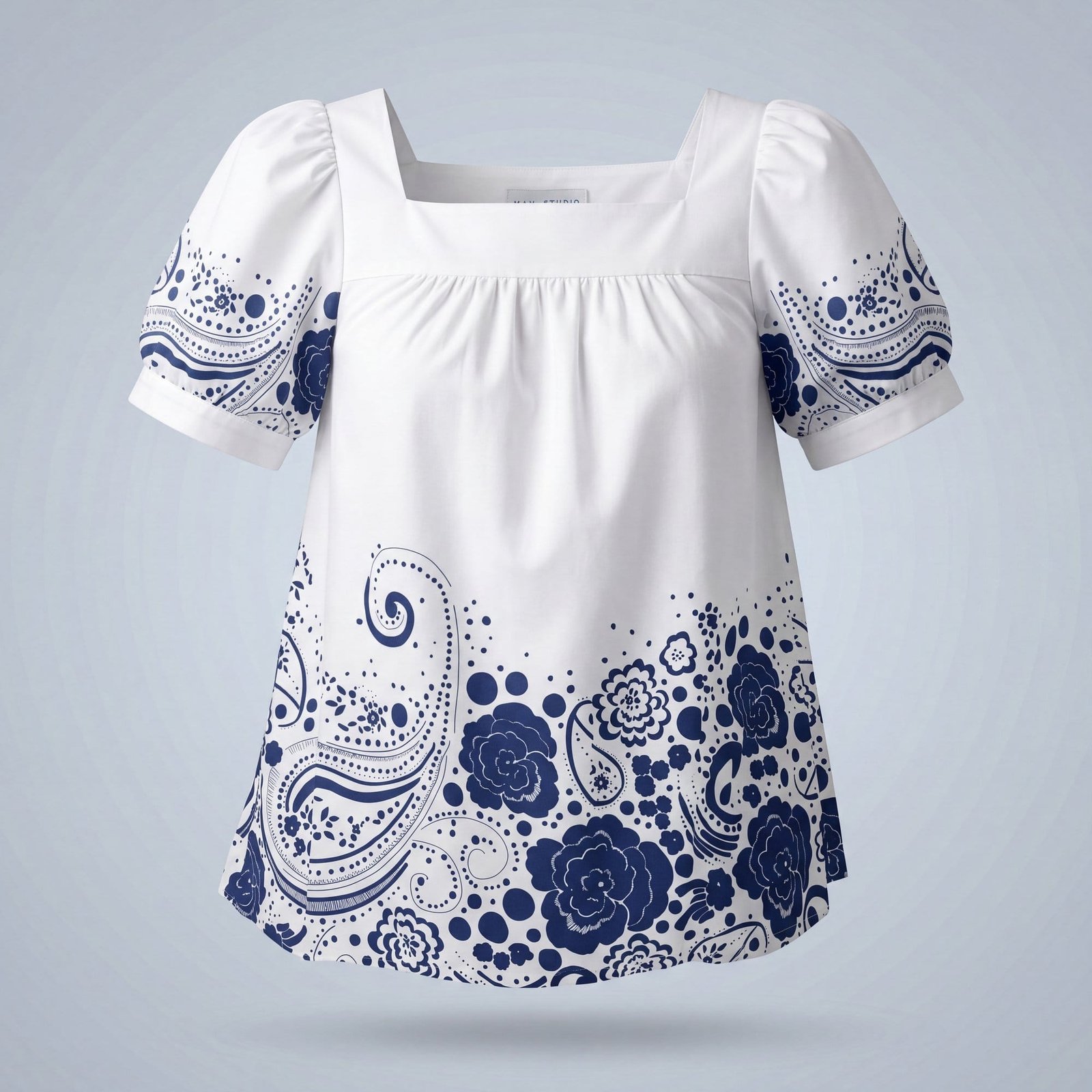
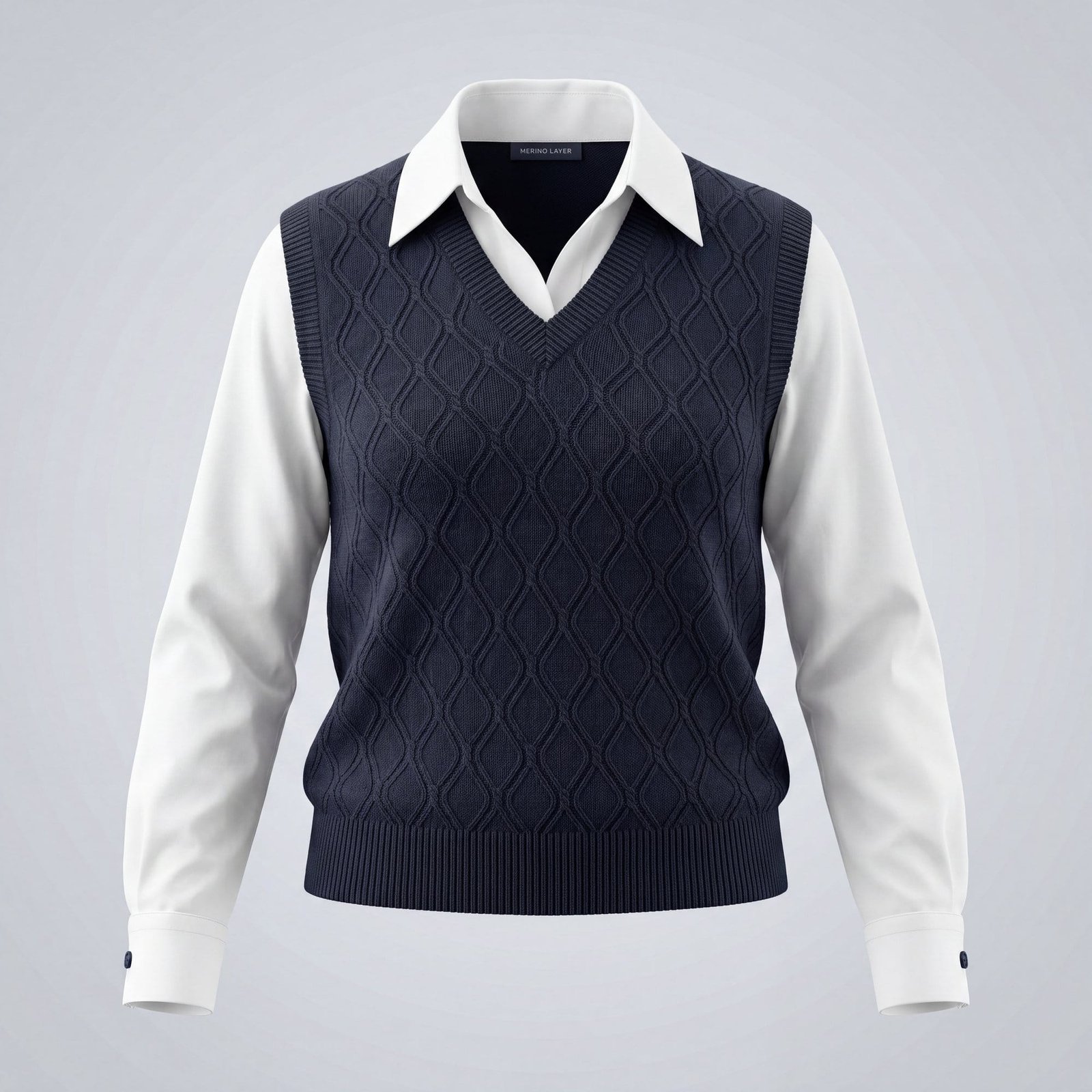
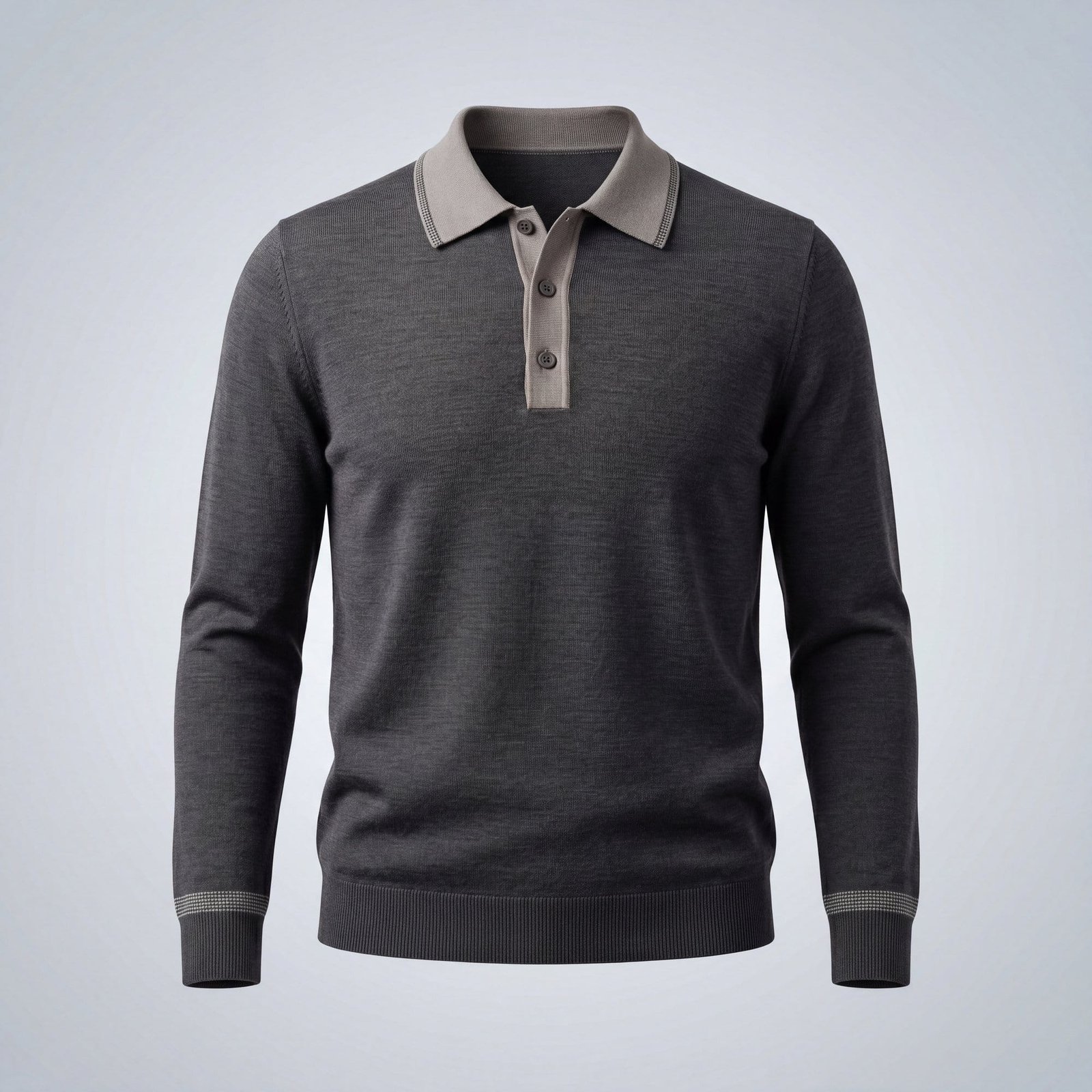
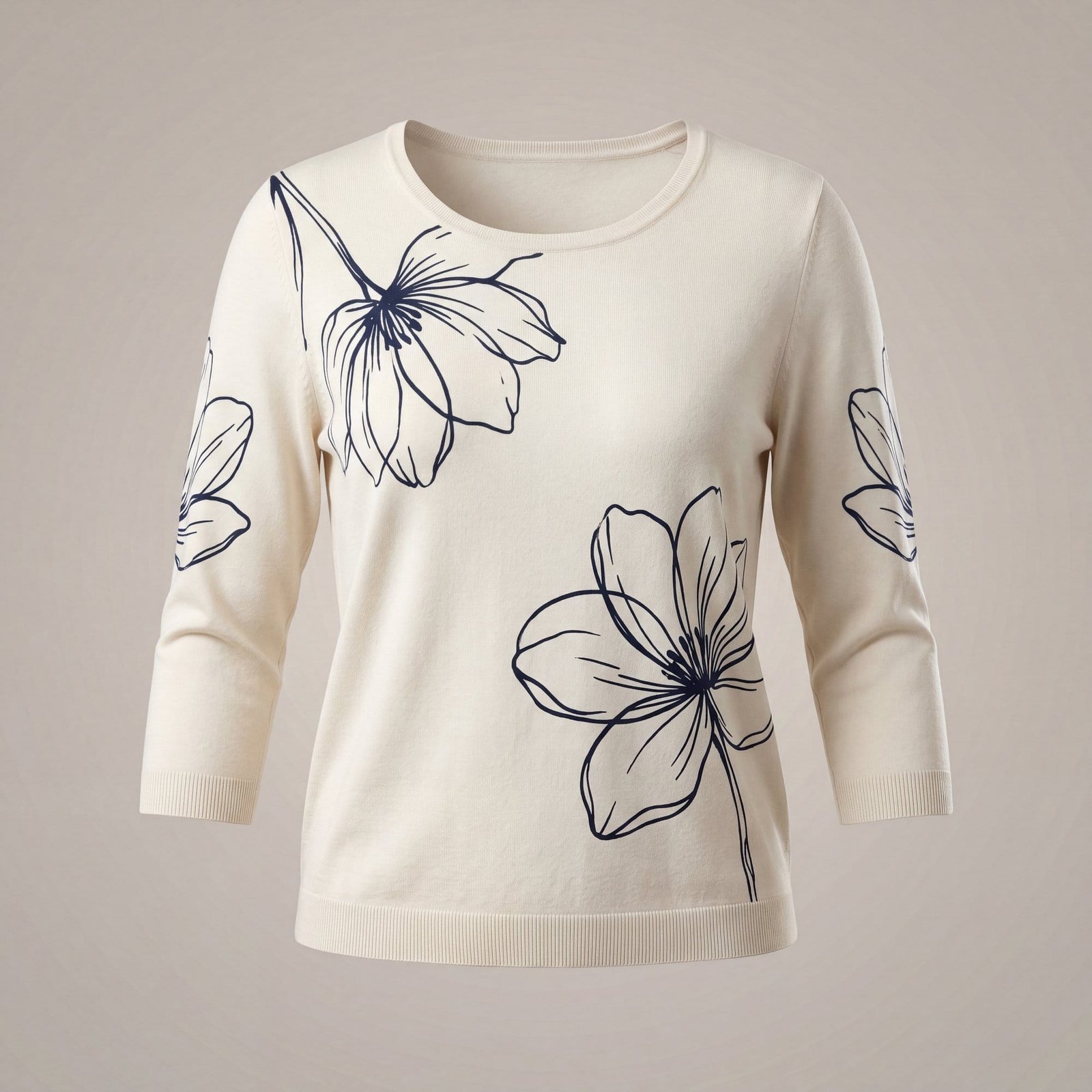
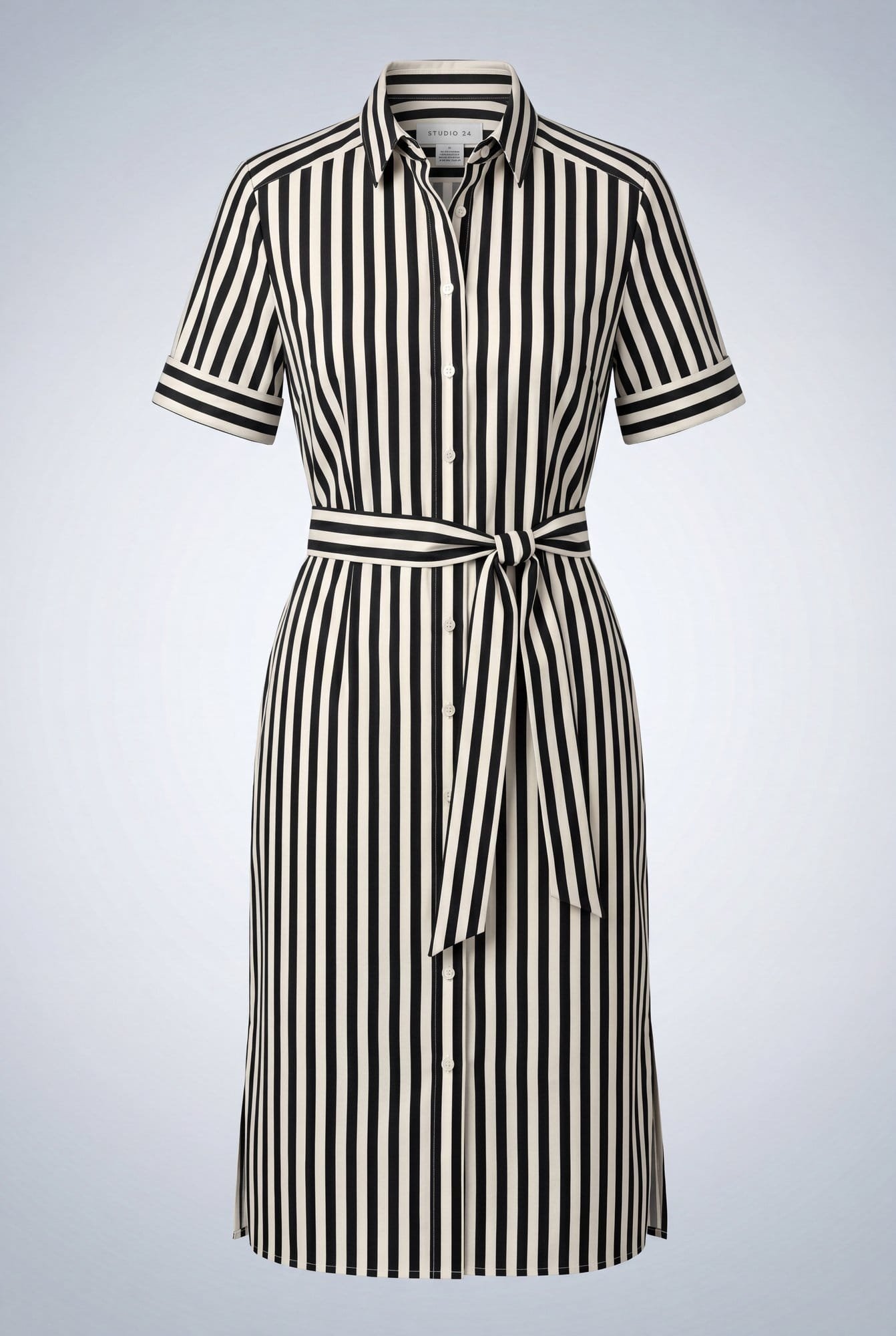
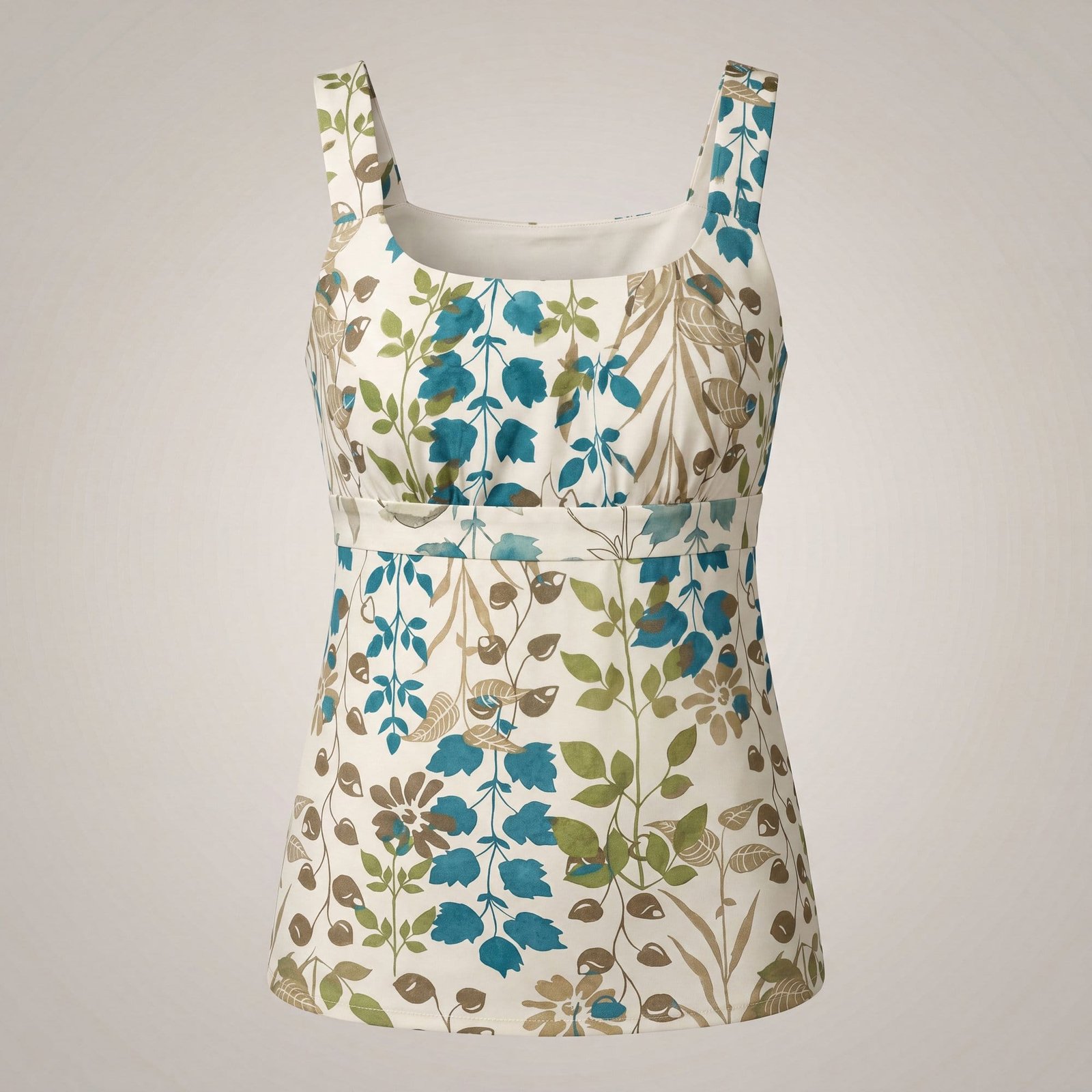
Ten garments for a company that rebuilt secondhand clothing, shot with an invisible model inside.
Repurposed
Ellibee Clothing made what they called repurposed garments. They sourced clothing secondhand, had it professionally cleaned, and then had it re-cut and re-stitched — better than the original construction. The result was a one-off garment with a history, sold new.
This was 2016. I was in West Virginia on other work, and shot for Ellibee in the time around it.
The problem
Nothing about the way a repurposed garment is made helps it photograph well. It has no brand behind it, no campaign, no model attached. Shot flat or on a visible mannequin it looks like a resale listing, which is exactly the association the clothing was made to escape.
I had to find a way to make these images look absolutely top shelf, like they would be in a fashion magazine.
The invisible model
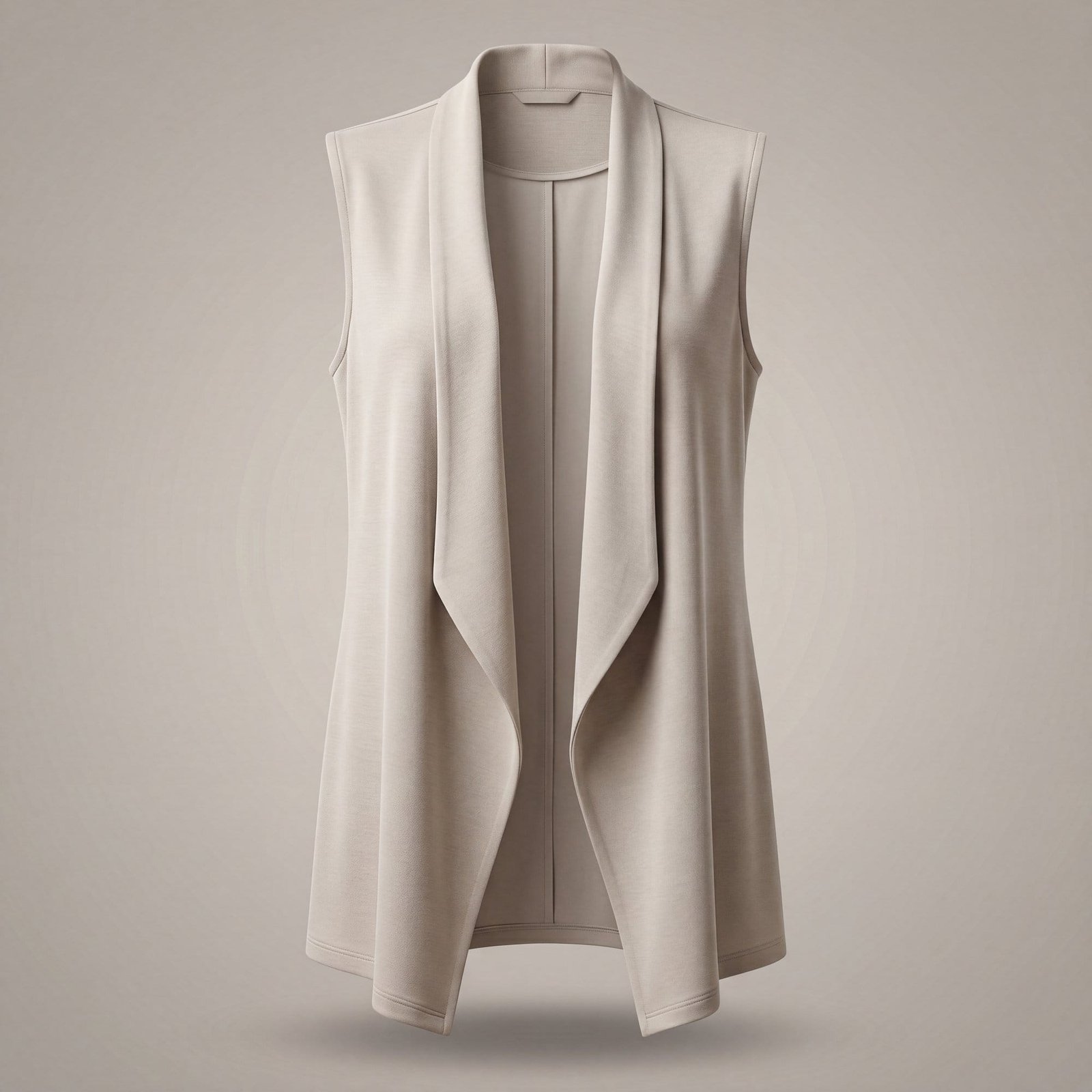
Two exposures of the same garment on the same mannequin.
The first with the garment inside out and its back turned to the camera, which gives you the inside of the neck and shoulders. I then painted the shadows into that interior in Photoshop, so it reads as filled out and lit the way a body would light it, instead of hoping the capture handed me something usable.
The second the right way round, shot normally.
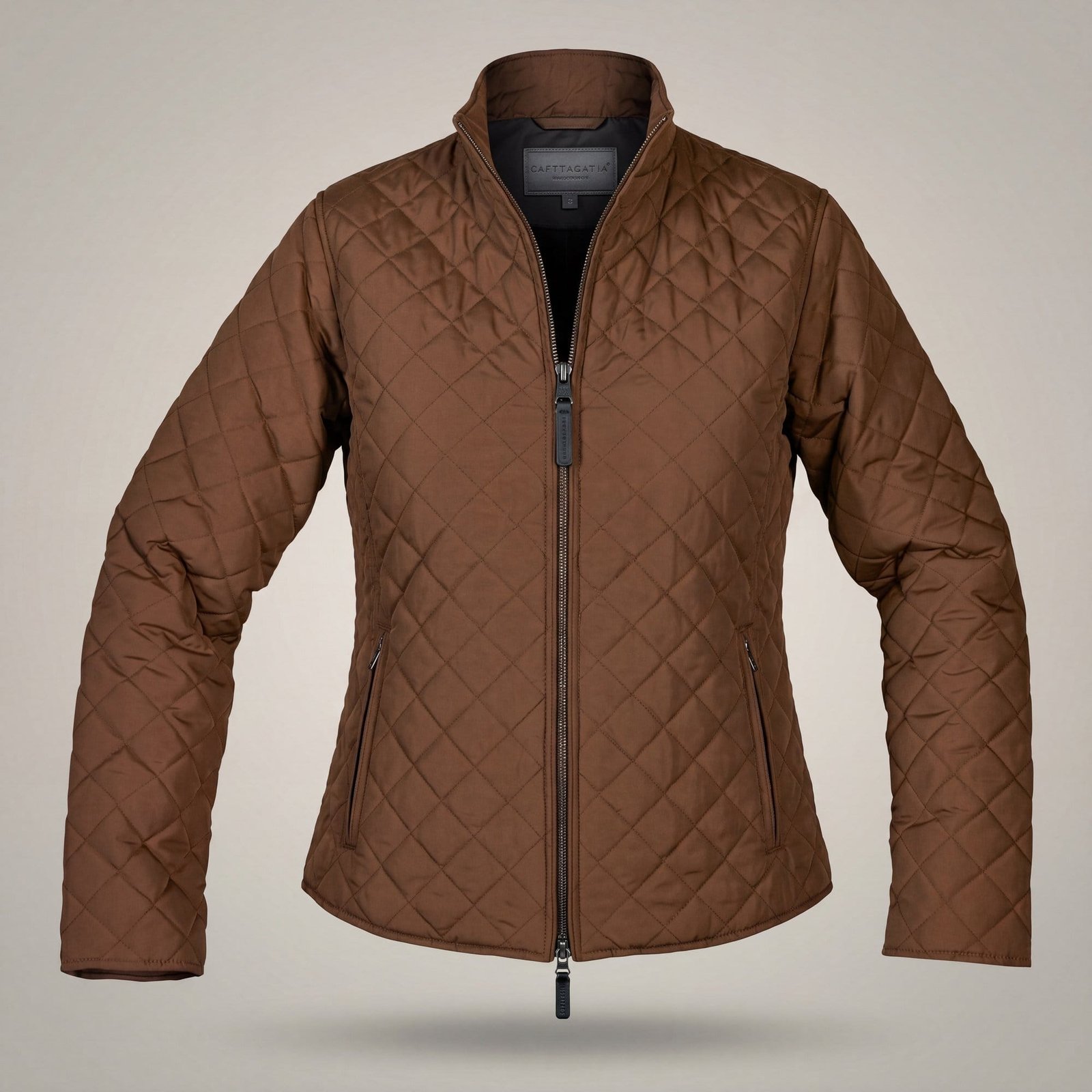
Then the two are composited — the inside-back exposure underneath, the front laid over it. Both halves need very precise silhouetting, and the shadows have to agree with each other. The neck is the one place a viewer looks to check whether a garment is real, so it is the one place the illusion cannot be approximate.
It became the default
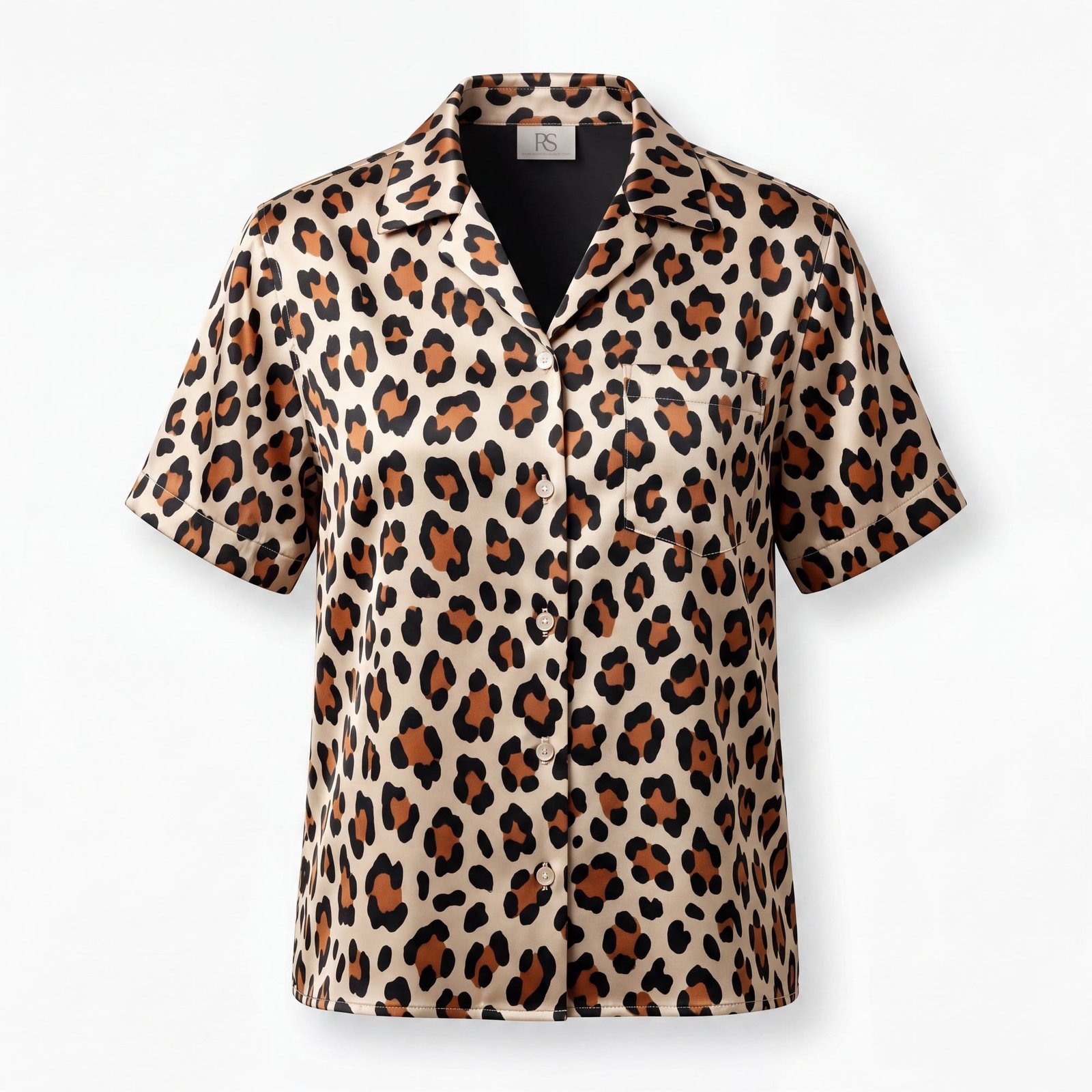
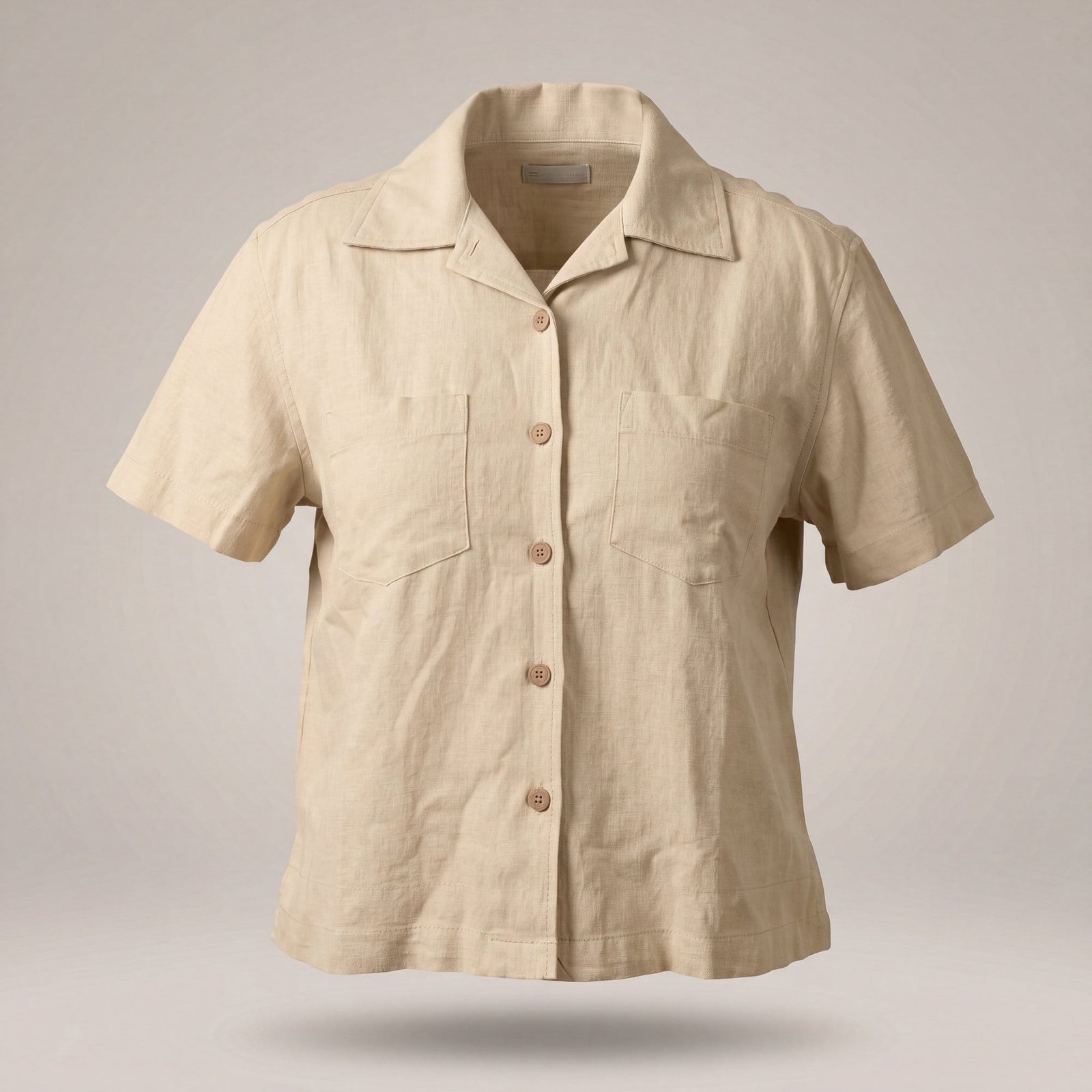
What the technique buys is not polish. It is legibility: the shape of the shoulder, how the fabric falls, where a seam actually sits. A garment with an invisible body inside it can be read.
I worked it out on this job and it has been my default for clothing ever since.
The garments